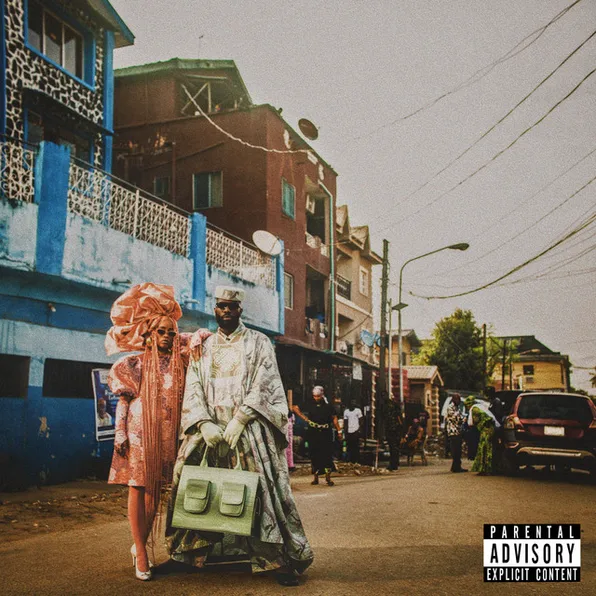

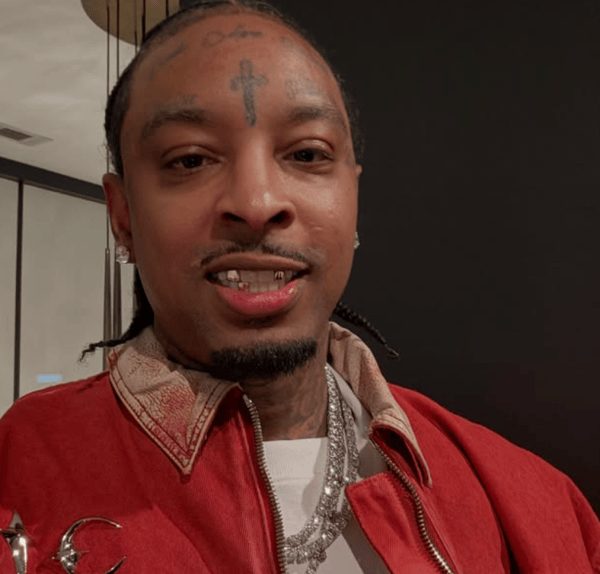
21 Savage’s “WHAT HAPPENED TO THE STREETS?” is set to debut just behind “The Life of a Showgirl” and “I’m the Problem” on the Billboard 200.
21 Savage had one of the loudest weeks in hip-hop heading into Christmas, and it all culminated with WHAT HAPPENED TO THE STREETS? officially debuting at #3 on the Billboard 200, selling 73,000 units in its first week. Considering the nonstop discourse surrounding him, the result feels fitting.
The week started with clips from his interview with Big Bank going viral, including his blunt explanation of what he considers snitching. Shortly after, he appeared to send subs at Future, only for the two to reconcile publicly over the phone. Then came his calls for unity, as he reached out to Atlanta peers like Young Thug, Lil Baby, Offset, and Quavo, urging them to squash their respective beefs for the sake of the city.
As if that wasn’t enough, 21 capped things off by tweeting “f**k the streets,” a message that quickly received co-signs from several mainstream rappers. All of this chaos unfolded while he quietly released WHAT HAPPENED TO THE STREETS?, a project that had its own unusual rollout.
Early projections had the album landing around 50k units at #7, which felt low for 21 Savage. Midweek estimates then shot past 90k, briefly putting him in the conversation for the top spot. The final result, #3 with 73k, feels realistic and solid in today’s climate.
Quincy is the creator of Ratings Game Music. He loves writing about music, taking long walks on beaches, and spaghetti that fights him back.
Discover more from RGM
Subscribe to get the latest posts sent to your email.